UI/UX design is evolving at an unprecedented pace. With technological advancements and changing user expectations, designers must stay ahead of emerging trends to create intuitive, accessible, and immersive digital experiences.
As we move forward, UI/UX will go beyond aesthetics and usability—it will focus on intelligent, adaptive, and emotionally responsive experiences. From AI-driven personalization to voice-based interactions, this blog explores the key trends shaping the future of UI/UX design and how businesses can leverage them for success.
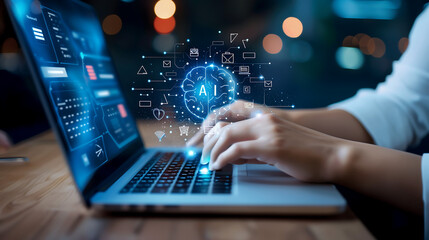
1. AI-Powered UX: The Rise of Smart Interfaces
Artificial intelligence (AI) is transforming UI/UX design by making interfaces more intuitive and personalized. AI-driven design tools can predict user behavior, automate workflows, and enhance user interactions.
How AI Is Impacting UI/UX:
- Hyper-Personalization: AI tailors content, layouts, and recommendations based on user preferences.
- Chatbots and Virtual Assistants: Conversational AI improves customer support and engagement.
- Automated UI Generation: AI tools like Adobe Sensei and Figma’s AI features assist designers in creating intelligent interfaces.
With AI integration, interfaces will no longer be static—they will adapt dynamically based on user needs and real-time data.
2. Voice and Gesture-Based Interfaces
As users seek hands-free interactions, Voice UI (VUI) and gesture-based controls are becoming essential in UI/UX design. Devices like Amazon Alexa, Google Assistant, and Apple’s Siri have popularized voice interactions, but the next step is integrating voice and gesture commands into everyday apps and websites.
Why This Matters:
- Accessibility: VUI and gestures improve usability for people with disabilities.
- Frictionless Interactions: Reduces the need for typing and screen navigation.
- Multimodal Experiences: Users can interact through a combination of voice, touch, and gestures.
In the near future, touchless interfaces will play a major role in smart homes, automobiles, and AR/VR environments.
3. Immersive Experiences: AR, VR, and MR in UX Design
Augmented reality (AR), virtual reality (VR), and mixed reality (MR) are blurring the lines between digital and physical experiences. These technologies are revolutionizing e-commerce, gaming, education, and healthcare by offering immersive, interactive environments.
Examples of AR/VR in UI/UX:
- AR Shopping: Virtual try-ons in e-commerce (e.g., IKEA Place, Sephora Virtual Artist).
- VR Training: Simulated learning experiences in industries like aviation and healthcare.
- MR Collaboration: Virtual workspaces for remote teams (e.g., Microsoft Mesh).
As 5G technology expands, AR/VR-based UI/UX will become more seamless and widely adopted.
4. Dark Mode and Energy-Efficient UI
Dark mode is no longer just a trend—it’s becoming a default feature in apps and operating systems. Apart from its sleek aesthetic, dark mode offers functional benefits:
- Reduces eye strain in low-light environments.
- Enhances battery efficiency, especially for OLED and AMOLED screens.
- Creates a modern and minimalist look.
Future UI designs will integrate adaptive themes that switch between light and dark based on user preference and environmental conditions.

5. Emotion-Driven Design: The Role of Neuro UX
User experience is no longer just about usability—it’s about emotion. Neuro UX, also known as affective computing, focuses on designing interfaces that respond to human emotions in real time.
How Emotion-Driven UX Works:
- AI detects user mood through facial recognition, voice tone, or typing patterns.
- Interfaces adapt dynamically, offering soothing colors or personalized content.
- Biometric feedback (e.g., heart rate monitoring) enhances wellness apps and mental health platforms.
The future of UX design will prioritize emotional intelligence, making interactions more human-centric and empathetic.
6. No-Code and Low-Code UI Development
With the rise of no-code and low-code platforms, UI/UX design is becoming more accessible to non-developers. Tools like Webflow, Framer, and Bubble allow designers to build fully functional websites and apps without extensive coding knowledge.
Why This Matters:
- Speeds up product development by reducing reliance on developers.
- Encourages experimentation and rapid prototyping.
- Empowers designers to take full control over UX implementation.
As AI enhances no-code platforms, UI/UX design will become more flexible and innovation-driven.
7. Ethical and Inclusive UX Design
With increasing awareness of digital ethics and accessibility, UI/UX designers must focus on creating inclusive experiences that cater to diverse audiences.
Key Aspects of Ethical UX Design:
- Accessibility-first approach: Ensuring designs are usable by people with disabilities.
- Data privacy and transparency: Informing users about data collection and usage.
- Sustainable UX: Designing eco-friendly, energy-efficient digital experiences.
Businesses that prioritize ethical UX will gain trust and long-term user loyalty.

Conclusion
The future of UI/UX is driven by intelligence, accessibility, and immersive experiences. As technology advances, interfaces will become more personalized, adaptive, and emotionally responsive.
Designers who embrace AI-driven personalization, voice interactions, immersive UX, and ethical design principles will stay ahead in the ever-changing digital landscape. Are you ready for the next era of UI/UX?
Master the art of crafting intuitive interfaces and unforgettable user experiences with our Advanced UI/UX Design Course. Gain hands-on skills, elevate your career, and create designs that leave a lasting impact.
Enroll now at Kaarwan and take your expertise to the next level!
FAQs
1. What is the biggest trend shaping the future of UI/UX?
AI-driven design, personalization, and immersive AR/VR experiences are among the most transformative trends.
2. How will voice UI impact UX design?
Voice UI will reduce reliance on screens, making hands-free and multimodal interactions more common.
3. What role does emotional design play in UX?
Emotional design enhances user satisfaction, engagement, and brand loyalty by creating empathetic, human-centered interfaces.
4. How does AI improve UI/UX design?
AI enables predictive personalization, automated UI design, and smart chatbots, making interactions more seamless and user-friendly.
5. What are the benefits of ethical UX design?
Ethical UX promotes accessibility, data privacy, and sustainability, ensuring inclusive and responsible digital experiences.